
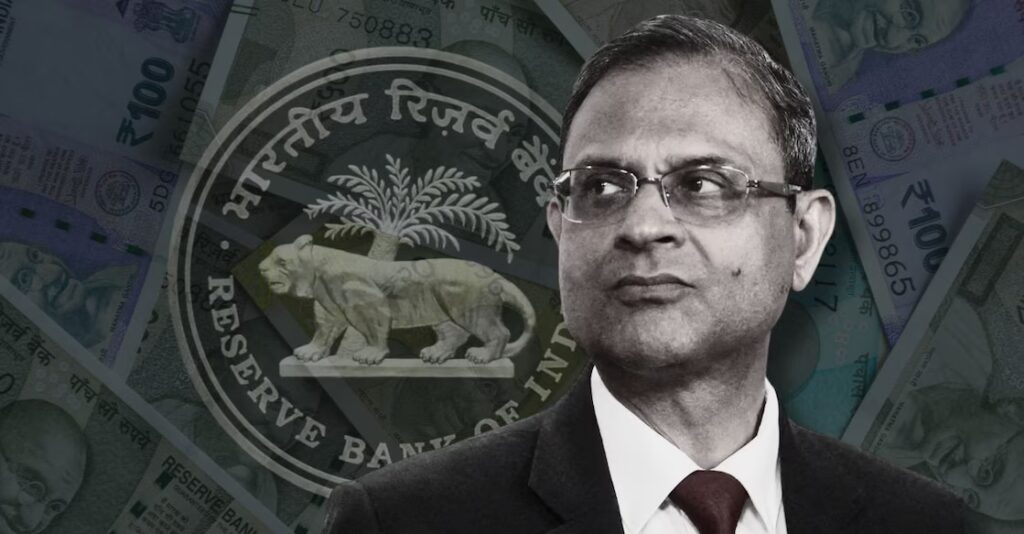
The Reserve Bank of India has raised the repo rate by 25 basis points to 5.5%, its first rate hike in nearly four years. While the move aims to contain rising inflation, it could also affect borrowing costs, loan EMIs, and returns on bank deposits. So, what does the repo rate hike mean for ordinary borrowers and savers?
The repo rate is the interest rate at which the RBI lends short-term money to commercial banks. When it rises, borrowing becomes more expensive for banks, which can eventually translate into higher interest rates for borrowers, particularly those with floating-rate loans.
Following the latest increase, the Standing Deposit Facility (SDF) rate stands at 5.25%, while the Marginal Standing Facility (MSF) rate and Bank Rate stand at 5.75%.